Digital Liner Notes and the Unglamorous Side of Indie Music
Making an album isn't all late nights in the studio. Discover the tedious but vital process of ID3 tagging and how to build a better brain for a music catalog.
When you picture the life of an independent musician, you probably imagine the good stuff: plugging in an electric guitar, agonizing over the perfect lyric, or finally hearing a mix come together after weeks of production.
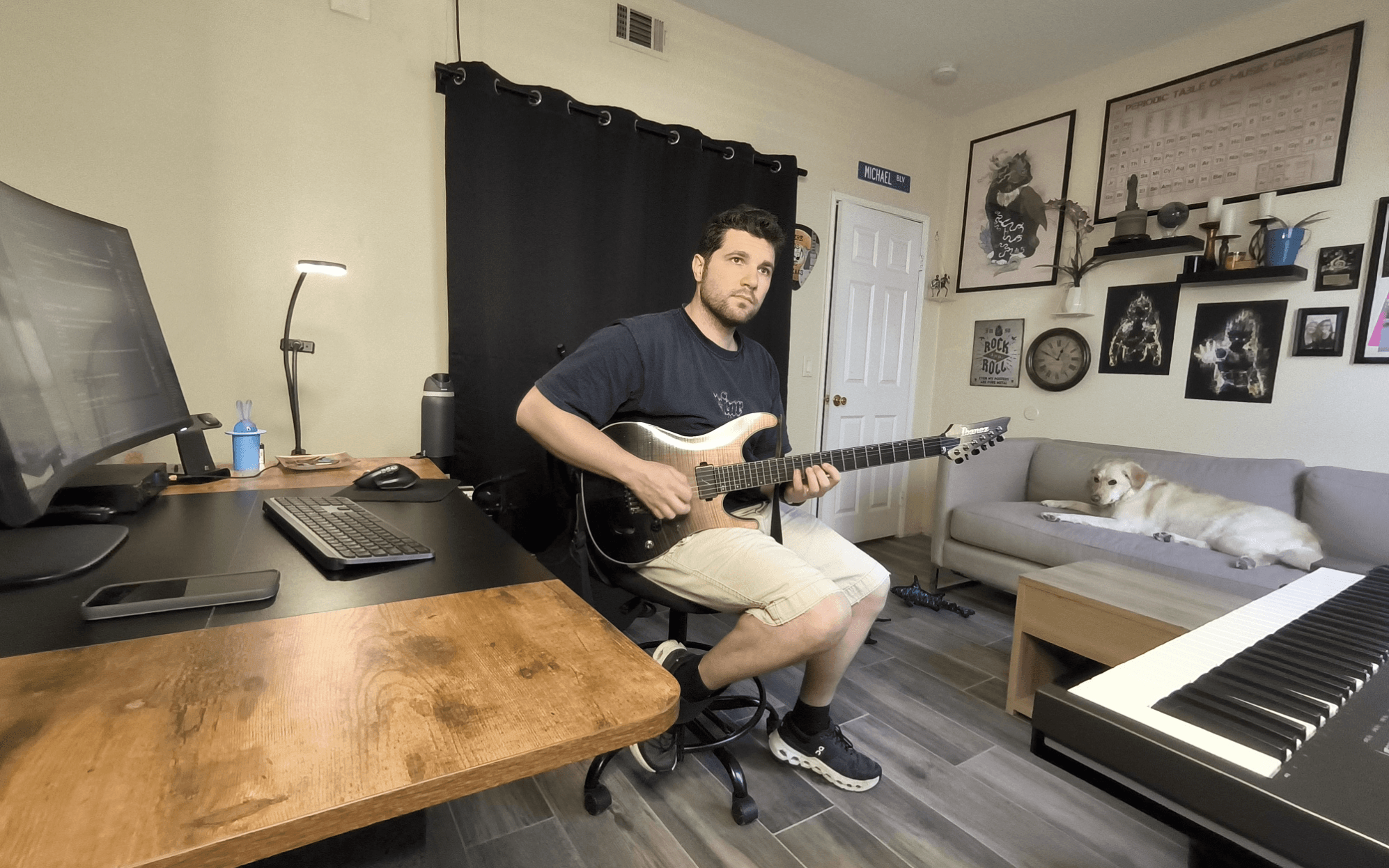
What you probably don't picture is a guy sitting in his home office at 2:00 AM, staring at a database, trying to figure out how to automate the digital DNA of his audio files.
But that is exactly what I spent this past month doing for The Second Messenger. And honestly? I think it’s one of the coolest things I’ve built for this project yet.
I want to pull back the curtain a bit on the unglamorous, administrative side of releasing music today. Specifically, a little thing called "ID3 tags."
The Ghost of the CD Booklet
If you grew up buying CDs or vinyl, you remember the ritual of tearing off the plastic wrap, pulling out the booklet, and reading the liner notes. You could see exactly who wrote the song, who played the bass, who produced it, and what studio it was recorded in.
In the streaming age, that experience is largely gone. But that information still exists. It’s embedded directly into the .mp3 or .flac files as metadata—specifically, ID3 tags.
Even though a casual listener on Spotify might never see these tags, they are the absolute lifeblood of the music industry. They contain the song's tempo, the musical key, the copyright information, the International Standard Recording Code (ISRC), and the splits that ensure songwriters and collaborators get properly credited and paid. They are the digital liner notes.
The Indie Musician's Dilemma
For major label artists, there is an entire department of people whose only job is to type this data into a computer. For an independent artist like me, I am the department.
For the longest time, my workflow was mind-numbing. After finishing a track, I would have to open a special piece of software and manually type out the title, year, genre, copyright owner, and codes for every single file. If I misspelled a collaborator's name, or if a copyright year needed updating, I had to go back and manually fix the audio file. It was tedious, prone to human error, and frankly, it was stealing time away from actually making music.
Building a Better Brain for My Music
Because I wear the hat of a web developer as often as I wear the hat of a musician, I decided I’d had enough. I was already building my own custom database to act as the "central brain" for The Second Messenger's entire catalog.
So, I asked a simple question. Why can't a computer just do this for me?
I spent the next few weeks going down a deep, highly-caffeinated rabbit hole of coding and research. I completely reverse-engineered my workflow. I built a system where I only ever have to type the information once into my private database. From there, a custom script I wrote automatically wakes up, grabs the master audio file, stamps the perfect digital DNA directly into the file's code, and saves it.
I used the song "Interstellar Love Song" as my first major test case. I put the raw audio file into the system, filled out my database, and hit save. When I downloaded the final file and inspected the metadata, it was a beautiful sight. Every single credit, copyright, and detail was perfectly populated.
Why This Matters
You might be wondering why I care so much about hidden data that most people will never see.
It comes down to pride and legacy. When I put a Second Messenger song out into the world, I want to know that it is crafted with care from top to bottom. That doesn't just mean the guitar tone or the vocal take; it means the invisible structural integrity of the file itself.
Whether a song is sitting on a hard drive ten years from now, or being spun by a DJ on a college radio station, the story of who made it, who owns it, and where it came from will travel with it forever.
Being an indie musician today means you have to be a little bit of everything—a writer, a performer, a promoter, and yes, sometimes a database engineer. It's not always glamorous, but seeing the whole machine run smoothly so I can get back to writing the next song? That’s music to my ears.